

3 Things to Know About Deck Railings
Deck railings are a crucial component of any elevated outdoor space. Their primary function is to ensure safety by preventing falls, but they also play a significant role in enhancing the aesthetics and functionality of outdoor areas. Understanding the importance of deck railings can help homeowners make informed decisions when designing or renovating their decks. This article delves into the various aspects of deck railings, including their purpose, materials, design, installation, maintenance, and regulatory considerations. By the end, readers will have a comprehensive understanding of how to select and maintain the perfect deck railings for their homes.
1. Understanding the Purpose of Deck Railings
Ensuring Safety
Deck railings are integral to the safety of an elevated outdoor space, acting as physical barriers that prevent falls and accidents. They provide essential support, especially for children, the elderly, and individuals with mobility issues. According to HomeGuide, the International Residential Code requires deck railings on decks and porches that are more than 30 inches above the ground to ensure safety and prevent falls. Correct installation and adherence to local safety standards are crucial to their effectiveness. Ensuring that your deck railings meet these standards not only protects your family but also gives you peace of mind.
Enhancing Aesthetics
Beyond safety, deck railings significantly enhance the visual appeal of outdoor spaces. They come in various styles and materials, allowing homeowners to choose designs that complement the architectural style of their home. Whether opting for traditional wood or sleek metal, the right railing can elevate the overall aesthetic of a deck. Lighting and decorative elements can also be incorporated into railing designs to create ambiance and visual interest. A well-chosen railing can transform a mundane deck into an inviting and stylish outdoor retreat.
Defining Space
Deck railings help define and enclose outdoor areas, clearly demarcating boundaries and spaces. This clear delineation is crucial for both aesthetic and functional purposes, as it organizes the different zones within a deck. Railings can also create a sense of privacy and intimacy, particularly in urban settings where outdoor spaces may be limited or exposed. By clearly outlining the deck area, railings contribute to a more organized and coherent outdoor space. This defined space not only enhances usability but also adds structure to the overall landscape design.
Maximizing Functionality
Beyond their primary purpose, deck railings can serve additional functions that enhance the usability of an outdoor space. They can be outfitted with fixtures for lighting, adding both safety and ambiance during evening use. Railings can also support plant hangers, adding greenery to the space and integrating the deck more seamlessly with the garden. In some designs, rails can double as seating options or even serve as ledges for placing drinks or decorations. By considering these additional functionalities, homeowners can maximize the utility of their railings.
2. Choosing the Right Materials
Wood Options
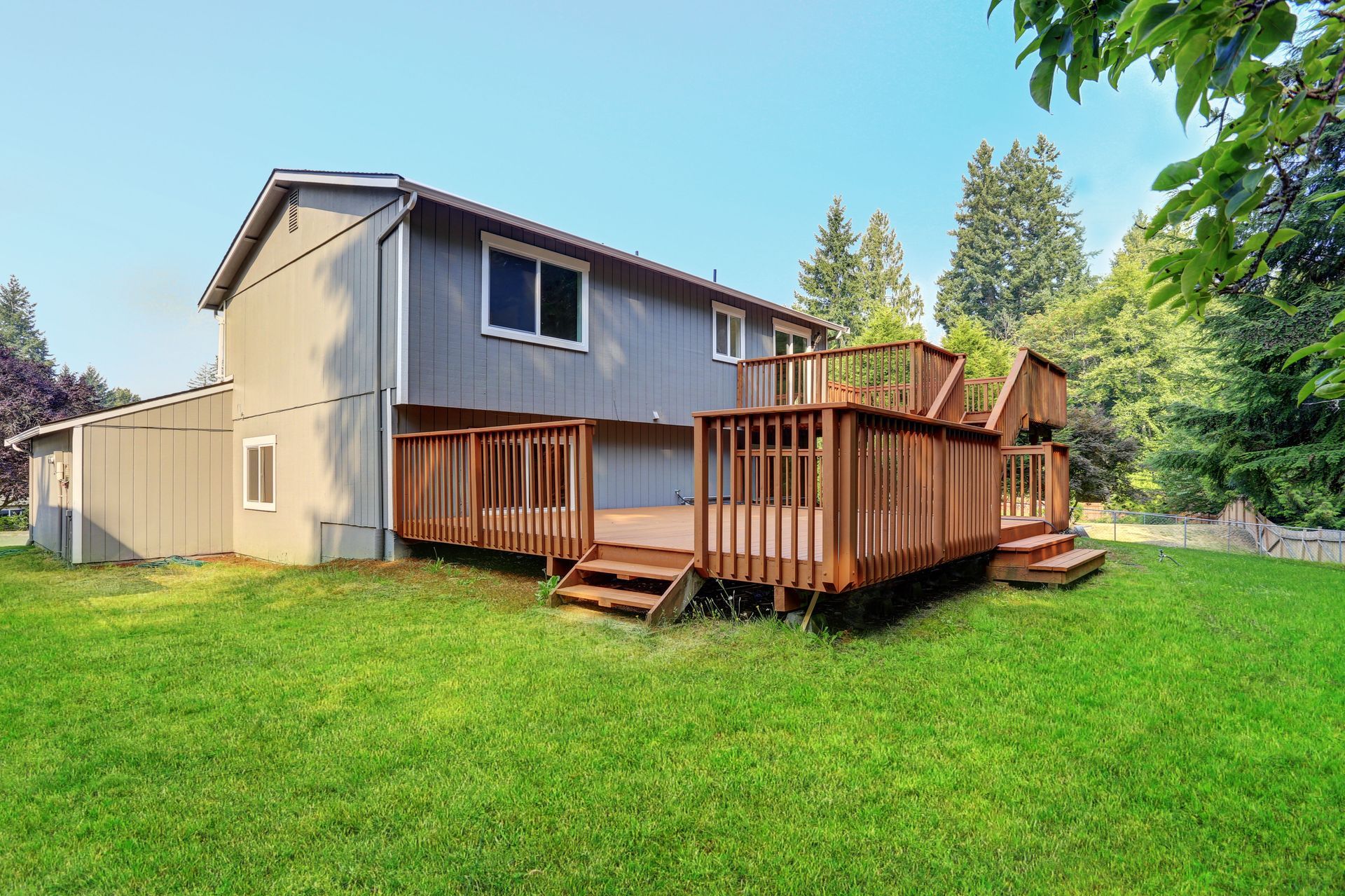
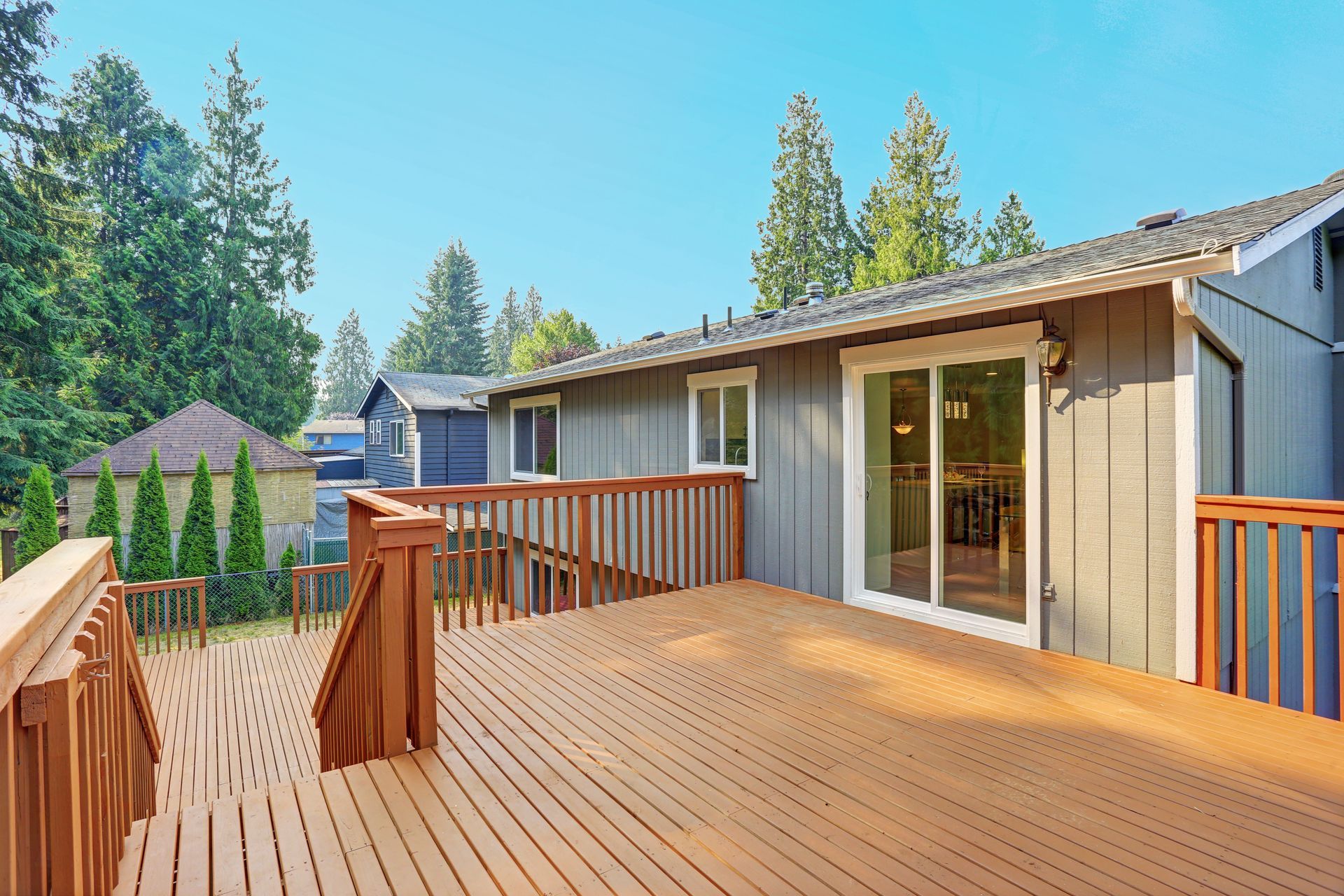
Wood is a classic choice for deck railing systems, offering a timeless and natural aesthetic that is hard to replicate with synthetic materials. With a variety of types like cedar, pine, and redwood, wood railings can suit various budgets and design preferences. Each type of wood has its unique characteristics in terms of color, durability, and maintenance needs. Proper selection and treatment are essential to maintain the wood's natural beauty and longevity, with sealants and regular maintenance playing key roles. Wood railings are often chosen for their warm aesthetic and environmental appeal, especially when sourced sustainably.
Metal Alternatives
Metal railings, such as those made from aluminum or steel, offer a sleek and modern aesthetic that is gaining popularity among homeowners. Aluminum is lightweight and resistant to rust, making it ideal for coastal environments, while steel provides robust strength and durability. These materials often require less maintenance than wood and offer extended longevity under appropriate conditions. However, they can be more costly, which is an essential factor to consider during the planning phase. The modern look of metal railings can complement contemporary architecture and offer minimalist styling that many homeowners desire.
Vinyl and Composite Materials
Vinyl and composite materials provide popular alternatives for those seeking low-maintenance railing solutions. Composites are known for their durability and ability to withstand harsh weather conditions, making them ideal for various climates. Vinyl offers resistance to mold and rot, though it may not offer the same visual warmth as natural wood. These materials can mimic the appearance of wood while offering enhanced longevity and minimal upkeep. As such, they provide practical solutions for homeowners who wish to minimize time spent on maintenance without sacrificing style.
3. Design Choices and Styles
Traditional Designs
Traditional railing designs offer timeless beauty that can complement a wide range of home styles. These designs often feature intricate detailing and use classic materials such as wood and wrought iron. They provide a sense of elegance and grandeur, ideal for homes with a traditional architectural ethos. Balusters, handrails, and decorative post caps often characterize these designs, adding layers of texture and interest. Traditional railings can seamlessly integrate with colonial, Victorian, or farmhouse-style homes, enhancing their overall charm and appeal.
Modern and Minimalist Options
For those who prefer a sleek and contemporary look, modern and minimalist railing designs offer clean lines and understated elegance. These styles often employ materials like metal or glass to achieve a streamlined appearance that emphasizes simplicity and function. Minimalist designs can make a smaller deck appear larger by not overwhelming the space with decorative elements. They work well with contemporary architecture, often employing neutral colors and subtle finishes to blend with the environment. Such designs focus on enhancing the overall atmosphere by being unobtrusive yet functional.
Customization Possibilities
Customization allows homeowners to create unique railing designs that reflect their personal style and complement their home’s architecture. From choosing specific materials to incorporating bespoke elements like laser-cut panels or personalized post caps, the possibilities are endless. Custom designs can address unique challenges, such as unconventional deck shapes or special accessibility requirements. By working with designers or contractors, homeowners can fuse functionality with artistry, resulting in railings that are both beautiful and fit for purpose. Custom railing solutions provide an opportunity to express individuality in outdoor design.
Color and Finish Selection
The choice of color and finish has a profound impact on the appearance and integration of outdoor railings with the overall outdoor space. Colors can be selected to either blend in with or stand out against the surrounding environment, depending on the desired effect. Finishes vary from matte to glossy, affecting both the look and maintenance requirements. Weather-resistant finishes provide protection while adding visual appeal to materials like wood or metal. Consideration of existing design elements and personal preference will guide the color and finish selection for railings.
Integration with Deck Features
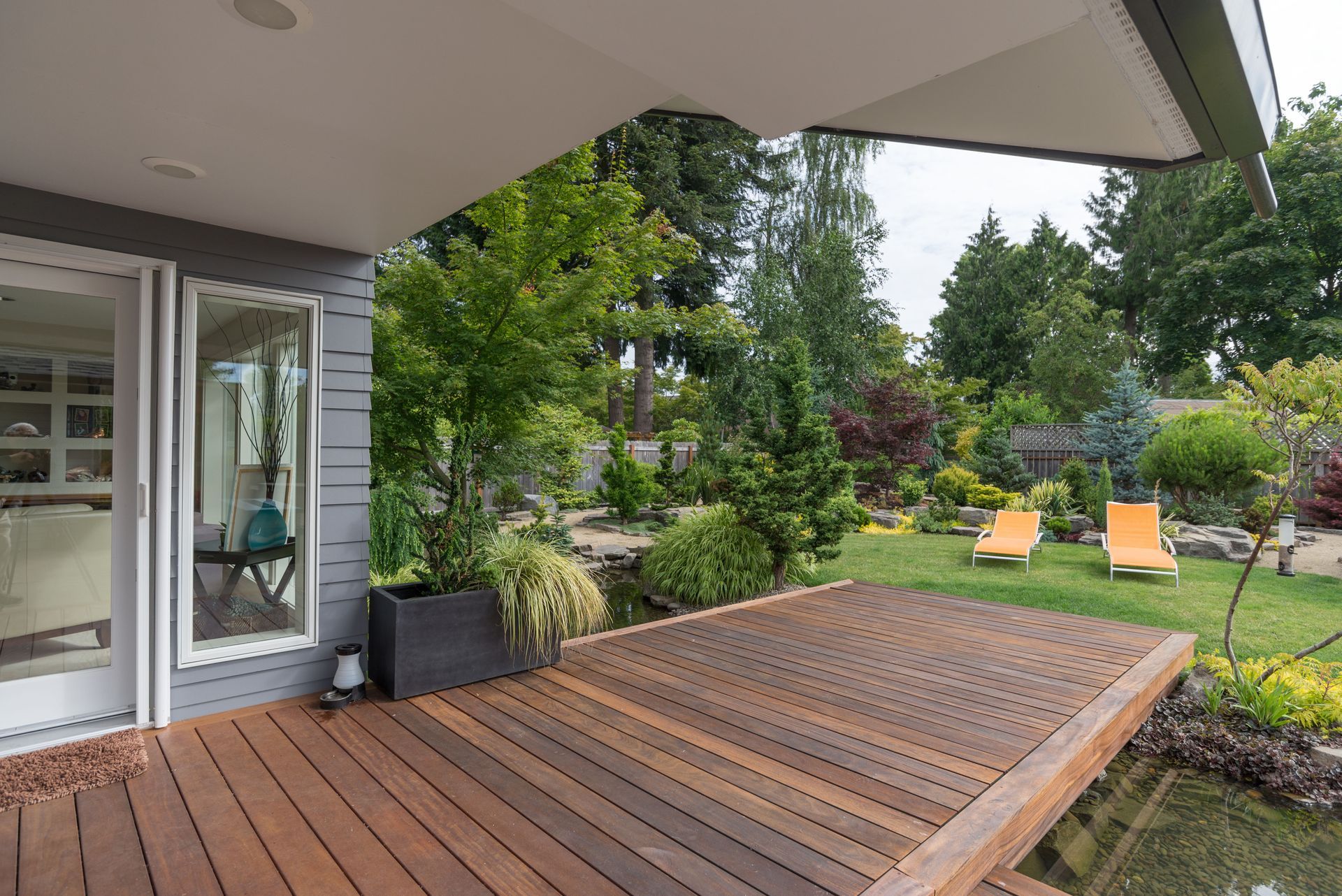
Integrating railings with other deck features can enhance the overall functionality and aesthetics of the space. Coordinating the railing color and style with seating, planters, or lighting fixtures can create a cohesive look that ties the entire area together. Railings can include built-in benches or be designed to accommodate lighting, adding both utility and ambiance. Ensuring that railings complement deck features like furniture or awnings enhances the usability and beauty of the outdoor space. Thoughtful integration leads to a more harmonious and inviting area for relaxation or entertainment.
These railings fulfill multiple roles, from ensuring safety to enhancing aesthetics and defining space. When selecting materials, homeowners have choices depending on their design preferences and budget considerations, each offering different benefits and maintenance requirements. Proper installation, adherence to codes, and regular maintenance are crucial to their long-term function and form. This article has explored the myriad of elements and considerations involved in deck railing options, empowering readers to make informed, practical, and aesthetically pleasing decisions for their outdoor spaces. With attention to detail and compliance with regulations, the railing system can be both a beautiful and functional addition to any home. Call Integrity Decking Company LLC today for more information.
Share On: